
Jim Hogg County Arrest Warrants Explained
An arrest warrant is a judge's written order to take someone into custody. Texas law sets the path. A complaint or sworn affidavit goes to a magistrate, who weighs probable cause and the strength of the allegations before signing. Jim Hogg County publishes no arrest-warrant application workflow and no public list of active orders. Where the underlying case lives depends on the offense and the issuing court. A public case index can help you find a cause number, but it is no substitute for the court's current process record. Ask the clerk which office holds the file.
Jim Hogg County Warrant Service Offices
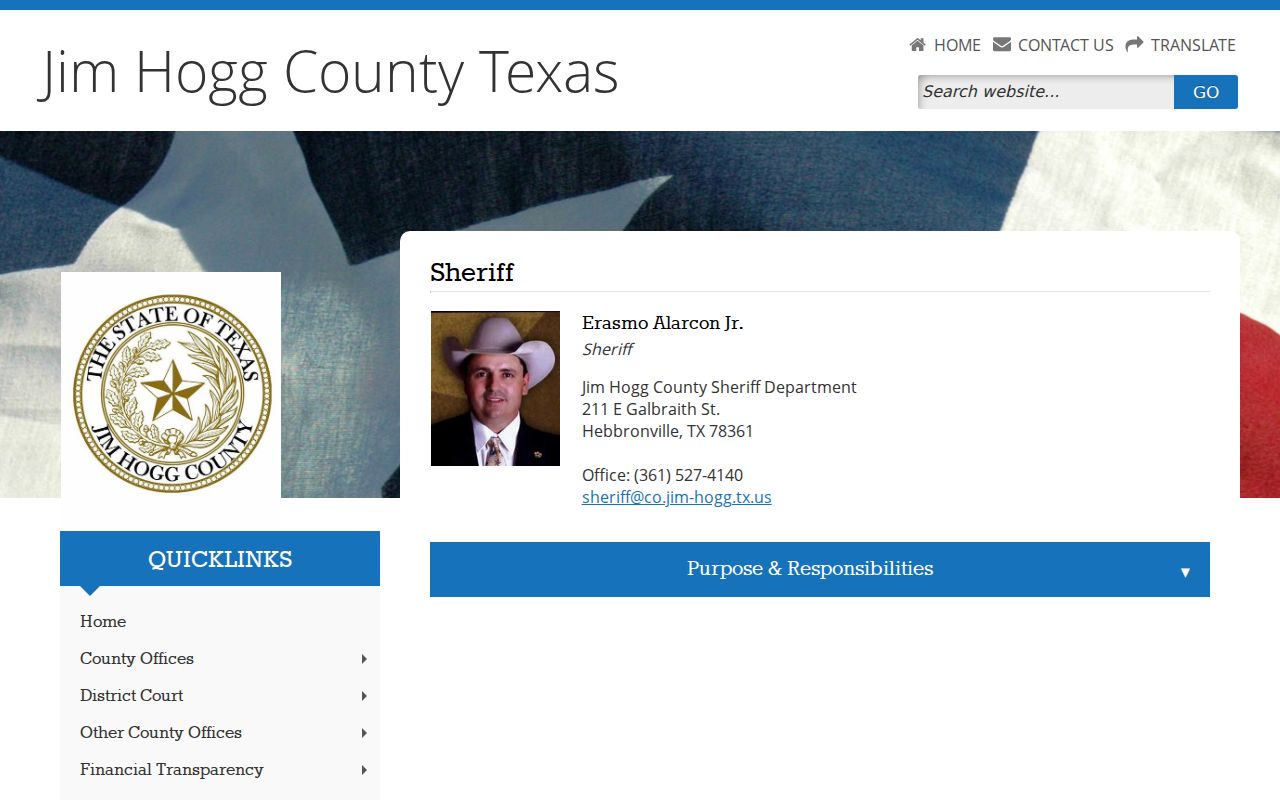
The Jim Hogg County Sheriff's Department serves process, runs the jail, takes bail for people in custody, and posts its public office contact. It lists no warrant unit, no roster, and no warrant-status phone line. For a personal inquiry, ask the sheriff which court should confirm the order. A county General Order names four constable precincts, though it does not assign arrest-warrant service among them. Do not assume one office serves every warrant. An online search will not show service status either. The official sheriff page publishes the office's duties and contact details.
Confirm court status separately with the issuing clerk or judge.
Inside a Jim Hogg County Arrest Warrant
No sample Jim Hogg County arrest-warrant document or local numbering pattern is public. Treat the items below as questions for the court, not as fields promised on any screen. A clerk can identify the case and explain which parts of a warrant or affidavit you can see.
| Warrant Number | Ask the clerk; a local format was not published. |
|---|---|
| Named Subject | Confirm the identity against the court's official record. |
| Charge / Offense | Ask which allegation and cause number the order concerns. |
| Issuing Judge / Court | Needed to route status and any motion. |
| Bond / Bail Set | The county publishes no general warrant bond schedule. |
| Date Issued | Ask whether later service, recall, or quash action was entered. |
When Jim Hogg County Warrant Records Open
Timing drives access. Under Texas Code of Criminal Procedure Article 15.26, an adult arrest warrant and its affidavit become public only after the warrant is executed. That is why a pending, unexecuted matter may stay out of public records even when a case exists, and separate exceptions can still shield law-enforcement material. Juvenile records follow their own confidentiality rules under Family Code section 58.010. Search-warrant applications under Chapter 18 are a different category altogether and should not be read as arrest-warrant documents. The Texas arrest-warrant statute spells out the execution rule. For a specific Jim Hogg County record, ask the clerk or agency that holds it.
Public access depends on the record and its procedural status.
Serving Arrest Warrants in Jim Hogg County
Serving a warrant in Jim Hogg County is not assigned to one visible office. The Sheriff's Department lists process and jail duties but posts no warrant-unit roster or service schedule. The county General Order names four constables, and no public source says which officer serves a given criminal warrant. How execution happens rests with the issuing court's order and law-enforcement records. If an arrest occurs, the sheriff's office can explain custody and bail at the jail. It publishes no universal bond amount and no surrender window. Call for current custody information. Then contact the court about the underlying case and hearing instructions.
Jim Hogg County Criminal Case Access
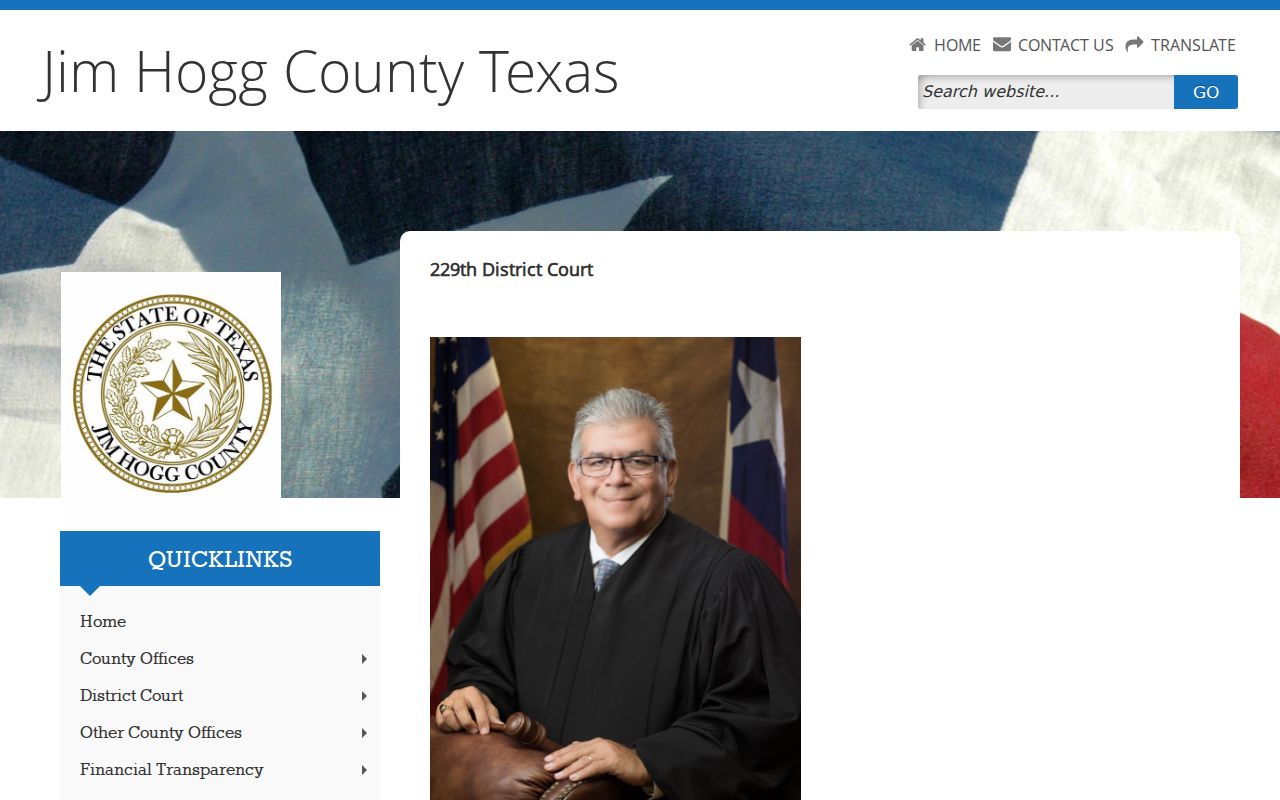
The combined County and District Clerk runs public defendant-access searches with tabs for case number, driver's license, date of birth, Social Security number, vehicle or plate, name, and business. There is no warrant filter, and the tools state no status-update cadence. Required fields and exact matching rules are not fully described. For felonies, the 229th Judicial District Court lists a criminal coordinator at 361-279-6233. The District Clerk keeps district criminal and civil files, while the County Clerk handles county-level cases. Use a name or cause number to ask which office can verify your case in Jim Hogg County. The District Clerk's official contact page links to its Defendant Access Site.
Case access and warrant status remain separate questions.
Comparing Arrest, Summons, and Bench Warrants
These papers work differently. A summons tells you to appear. An arrest warrant authorizes custody over an alleged offense. A bench warrant follows a failure to meet a court obligation. Read the notice closely, then ask the court which instrument you face. The Jim Hogg County bench-warrant process covers that path in more detail.
| Feature | Arrest Warrant | Summons | Bench Warrant |
|---|---|---|---|
| What It Orders | Arrest and custody | Appear at a stated date or place | Arrest for a missed obligation |
| Basis | Probable cause of an offense | Direction to answer a charge | Failure to appear or comply |
| Who Issues It | Judge or magistrate | Process authorized by law | Judge handling the existing case |
| How to Respond | Confirm with court and counsel | Appear as directed | Ask court about appearance or recall |
Federal Warrants Near Jim Hogg County
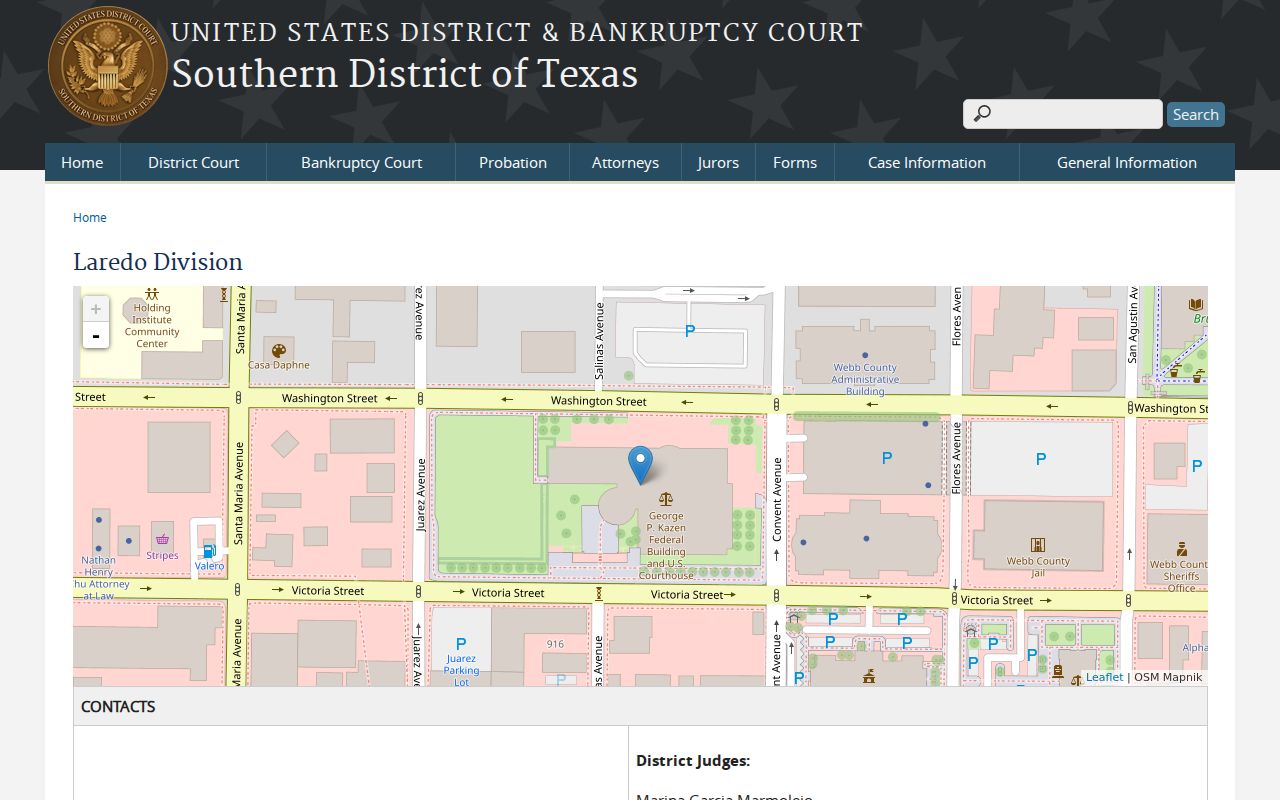
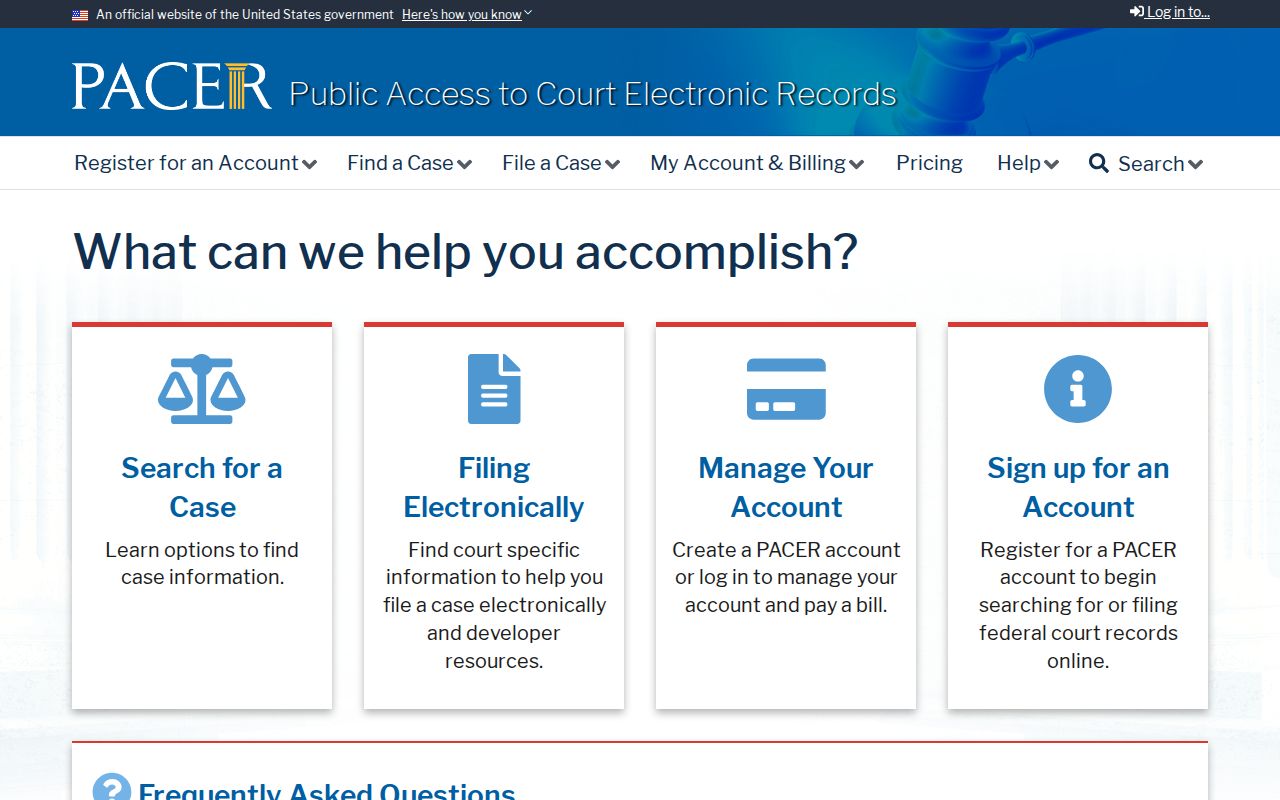
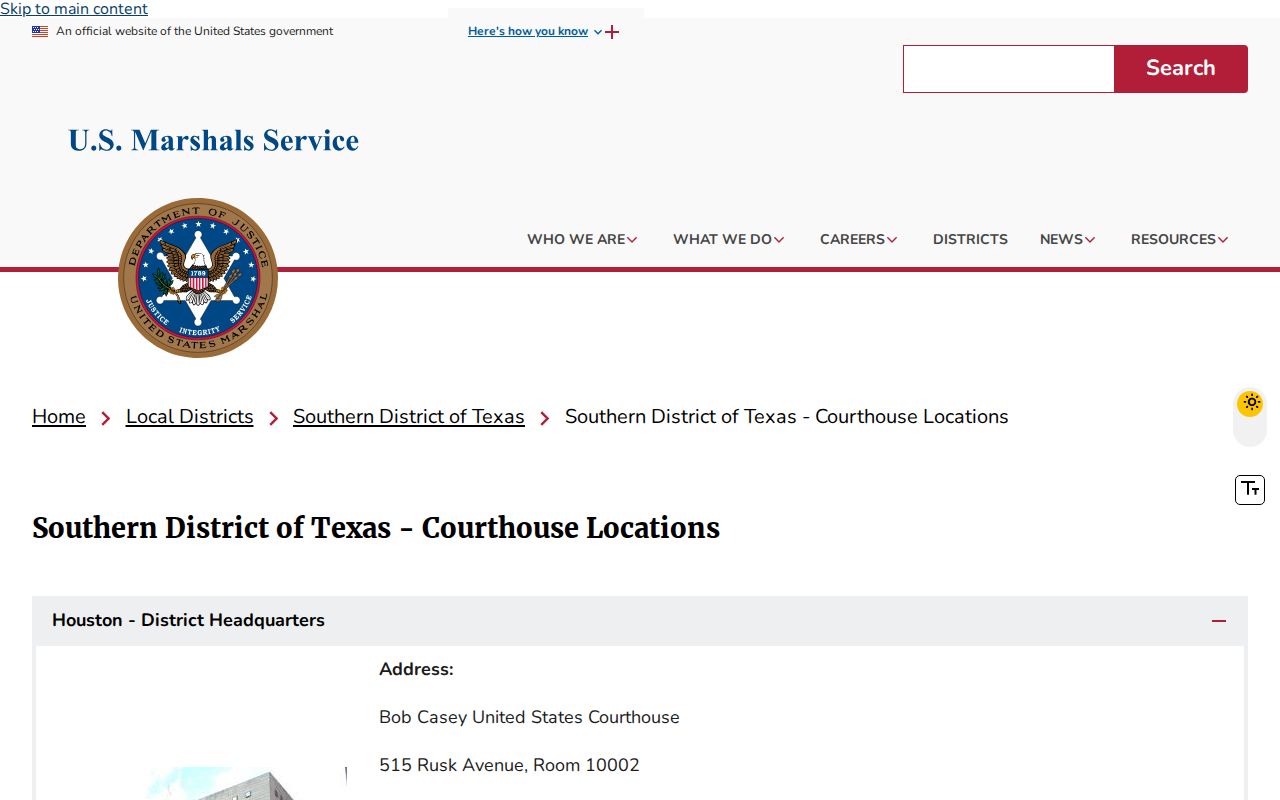
Federal process sits entirely apart from Jim Hogg County court records. Federal cases for this area route through the Laredo Division of the Southern District of Texas. Federal docket searches run on PACER, not the county Clerk's Defendant Access Site. The U.S. Marshals Service enforces federal warrants, and county pages post no federal warrant roster. The Laredo federal courthouse and the Marshals district office can steer a records question to the right agency. One caution. A county search result does not confirm a federal case, and a federal docket entry says nothing about county warrant status. The Southern District of Texas Laredo Division posts courthouse information.
For current federal case records, use the official PACER Case Search, which is separate from Jim Hogg County case access.
The U.S. Marshals Southern District of Texas page lists federal district contacts.
The county sheriff's office is not the source for a federal case docket.
Jim Hogg County FTA Is Not an Arrest Warrant
A Failure to Appear or Failure to Pay report under Texas Transportation Code Chapter 706 can block license renewal. Don't confuse it with an arrest warrant, though. One traffic ticket in Jim Hogg County can carry a court balance, a program record, and separate court process all at once. The county posts no report roster or published transmission schedule. Ask the issuing JP what it reported. Also ask whether the case closed. DPS guidance says a closure update can take up to seven business days to reach the license system. A warrant question belongs with the court that issued it. The Chapter 706 reporting law describes that separate program.
Confirm license-program reporting and court warrant status through their separate sources.
If There's an Arrest Warrant for You
First, confirm the details. Which court issued the warrant? What is the charge? Is the order still active? A Texas attorney can contact the court, advise on voluntary surrender, and weigh whether posting bond or moving to recall or quash fits. Jim Hogg County publishes no blanket surrender or bond schedule.
Important: Speak with an attorney before arranging a voluntary appearance; the Sheriff lists no warrant-specific surrender window or universal bond amount.